
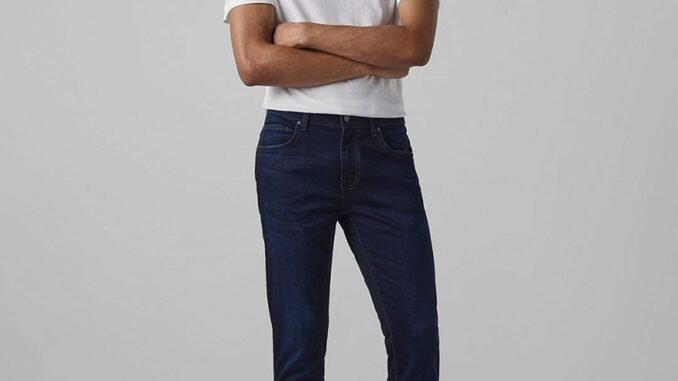
Jeans feel like the easiest purchase until you actually try on a few pairs back to back. One cut sits totally different from the next, and what looked great on someone else does not always translate to your body. A bit of thought before buying saves you from another pair sitting unworn in the drawer. Here is what actually helps when picking jeans.
Figure Out What Gap You Are Filling
Before adding another pair, think about what you actually need more of. Are your current jeans all one cut, or are you missing something for a different kind of day? Buying without checking this usually means ending up with five pairs that serve the same purpose.
A few things worth working out first:
- What cuts do you already own plenty of
- Do you need something for daily wear or occasional styling
- Does your wardrobe lean more fitted or more relaxed overall?
Flared Jeans ForA Bit Of Movement
Straight and skinny cuts dominate most wardrobes, so flared jeans bring in something different. The wider leg from the knee down adds movement and works well with fitted tops or crop tops, balancing the silhouette. They are not for every day, but they earn their spot for days you want the outfit to feel more done up.
Relaxed Fit Jeans For Comfort Without the Effort
Some days just call for comfort over anything else. Relaxed fit jeans sit looser through the hip and thigh, giving you room to move without feeling restricted. They work well with oversized tees or basic shirts, and honestly, they are the pair you reach for on days you cannot be bothered thinking about styling.
Rise And Length Change More Than People Expect
The rise, where the waistband sits, changes both comfort and how the jeans pair with different tops. A higher rise tucks in tops cleanly and sits comfortably at the waist. A lower rise suits looser or cropped tops but can feel less secure during movement.
A quick way to actually check the fit before buying:
- Sit down in the jeans, not just stand and look in the mirror.
- Check if the waistband gapes or digs in when you sit.
- See how the length falls with the shoes you plan to wear
- Notice if the fabric stretches out after wearing for an hour.
Building A Jeans Collection That Actually Works
Owning five pairs in the same cut does not add much variety. Start with one solid, everyday pair in a cut that suits your body, then add something different like flared or relaxed fit for variety. This way, your wardrobe covers more occasions without buying the same thing over and over.
Read More: Ali Ata on Studio-Produced Bands vs Garage Bands: What Sets Them Apart
To Wrap Up
Stretch denim moves with you and feels more forgiving through the day, while rigid denim holds shape but takes longer to break in. Darker washes look more polished; lighter or distressed washes lean casual. Shopping through AJIO makes this simpler, since fit notes, fabric details, and reviews sit in one place before you decide.
FAQs
- Are flared jeans hard to style day-to-day?
Not really, though they work better with fitted tops. Pair them with something loose and the silhouette can get lost.
- Do relaxed fit jeans work for anything other than casual days?
Mostly casual, yeah, but a plain shirt tucked in can push them slightly smarter without much effort.
- What is the difference between rise and fit?
Rise is about where the waistband sits; fit is about how the jeans sit through the hip and leg. Both affect comfort differently.
- Should I buy stretch denim or rigid denim first?
Stretch denim usually first; it moves with you and feels easier day-to-day. Rigid denim suits people who prefer a structured look.
Read More: BISON Party Rental: Your Trusted Event Agency for Inflatable Fun
- How many pairs of jeans do I actually need?
Three to four is usually enough, mixing an everyday cut with one or two different styles for variety.
Leave a Reply
You must be logged in to post a comment.